
What “Professional Podcast Production” Actually Means in 2026
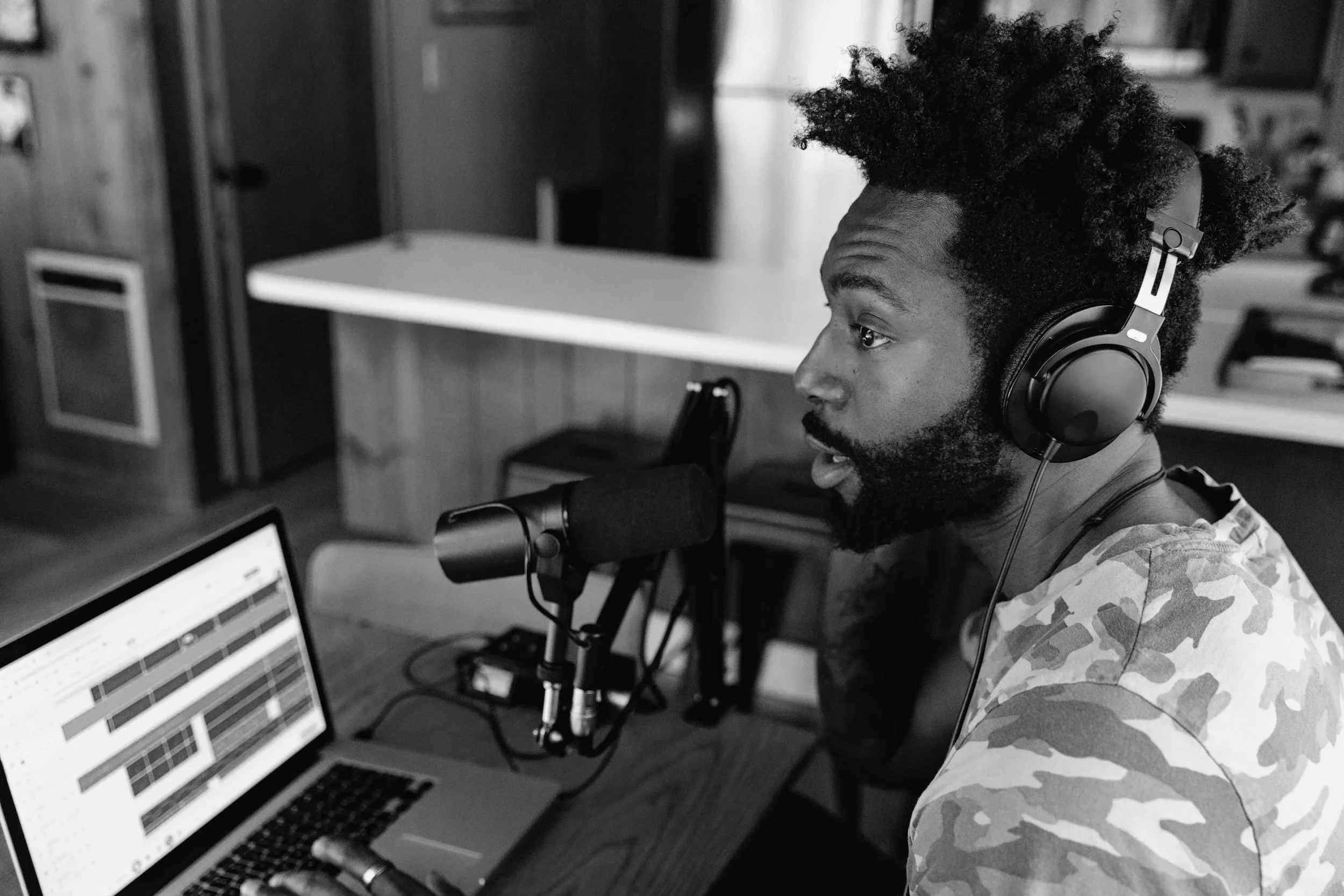
Podcast production is changing in 2026, as budgets increase and video explodes
“Professional podcast production” is a phrase that gets used a lot. By agencies, freelancers, platforms, and podcasters themselves. But in 2026, it no longer means simply having good audio and nice cover art.
Podcasting has matured. Audiences are more discerning, platforms are more competitive, and podcasts are now expected to function as content engines, networking lubricant, and sales assets. As a result, professional production has evolved into a sprawling web of strategic and technical requirements, along with publishing best practices.
Professional podcast production means taking responsibility for the entire lifecycle of a show, from concept to content, distribution to growth; so your podcast becomes a consistent, sustainable asset.
Let’s take a look at what that actually looks like in practice.
1. Strategy Comes Before Sound
In 2026, podcast production begins long before a microphone is switched on.
If you’re starting a podcast, ask yourself:
Who is the podcast for?
What problem does it solve or value does it provide?
How does it support the wider business, brand, or personal platform?
What does success look like after 6, 12, or 24 months?
How do you want to tell your story?
Too many podcasts still fail because they start with equipment and skip strategy. I see so many posts on Reddit where podcasters are arguing over which $100 microphone will give them the edge, but when I listen to their podcasts, they’re 30 minutes too long and don’t have any real focus.
Professional production means helping clients refine things like positioning, format, episode structure, publishing cadence, and long-term goals before recording a single episode.
Great audio cannot save an unclear idea.
2. Recording That Is Engineered, Not “Good Enough”
It may be obvious to some, but in 2026 audio quality is now a baseline expectation, not a differentiator.
In 2026, listeners are consuming podcasts through premium headphones, smart speakers, car systems, and video-first platforms. Poor recording quality is immediately noticeable, and according to a 2020 study by Edison Research, 78% of podcast listeners would turn off if audio quality was bad.
Professional podcast production means:
Optimising recording setups for each host and guest
Managing remote recordings with broadcast-quality tools
Reducing room noise, reverberations, and problems at the source
Ensuring consistency across episodes, locations, and speakers
Top-tier post production that can save the day when things go wrong
Expensive gear will only go so far; it is about knowing how to engineer reliable, repeatable results. A professional podcast producer removes friction from the recording process so the host can focus entirely on the conversation.
3. Editing That Serves the Listener
Editing is as much about shaping an experience as it is clearing up mistakes.
In 2026, professional editing focuses on:
Pacing that respects the listener’s time
Clarity and intelligibility across all playback environments
Intelligent removal of friction (rambling, repetition, filler)
Subtle enhancements that improve flow without sterilising personality
Professional production means editing with intent. Every cut, fade, and decision is made with the audience in mind. Not just to make the episode shorter, but to make it better.
I speak with a lot of clients who want to have every single breath, misspoken word, and pause removed. I always try to avoid this kind of work where I can. In my experience, it’s costly, and the ROI is by no means worth it. Successful podcasts are human conversations, and having (some) human moments where things go wrong form stronger connections with audiences.
A word on AI Podcast Editing
AI podcast editing is still lacking. There, I said it.
AI is the differentiator, like many people said it would be. It shows who wants to put effort into their shows and who isn’t as fussed.
As a podcaster, you’re trying to become a part of somebody’s routine, every week, for an extended period of time. If you take your audience seriously and create content that is interesting, polished, and obviously cared for, audiences will pick up on this and reward you with their attention and engagement.
AI editing tools can do obvious things, but they don’t have the human instinct for storytelling that professional podcast editors and producers have. It’s a powerful tool, but it needs to be used in the right context. For a lot of my clients, I was not their first choice of producer. An AI editor was. Guess how long that lasted…
Great content always wins over quick content.
4. Audio Branding and Sonic Identity
Professional podcasts are recognisable within seconds.
Music selection, sound design, and sonic branding are core components of how a show positions itself in a crowded market.
In 2026, professional podcast production includes:
Purposeful intro and outro design
Music that reinforces tone, not distracts from it
Consistent loudness and sonic texture across episodes
A clear, repeatable identity that carries across audio and video
This is especially important for business, branded, and thought-leadership podcasts, where perception directly impacts credibility. Having an instantly recognizable theme song or ident can communicate your entire brand in under 30 seconds, whilst also signalling to the audience that you’ve given every aspect of your show some thought.
5. Video and YouTube are dominating
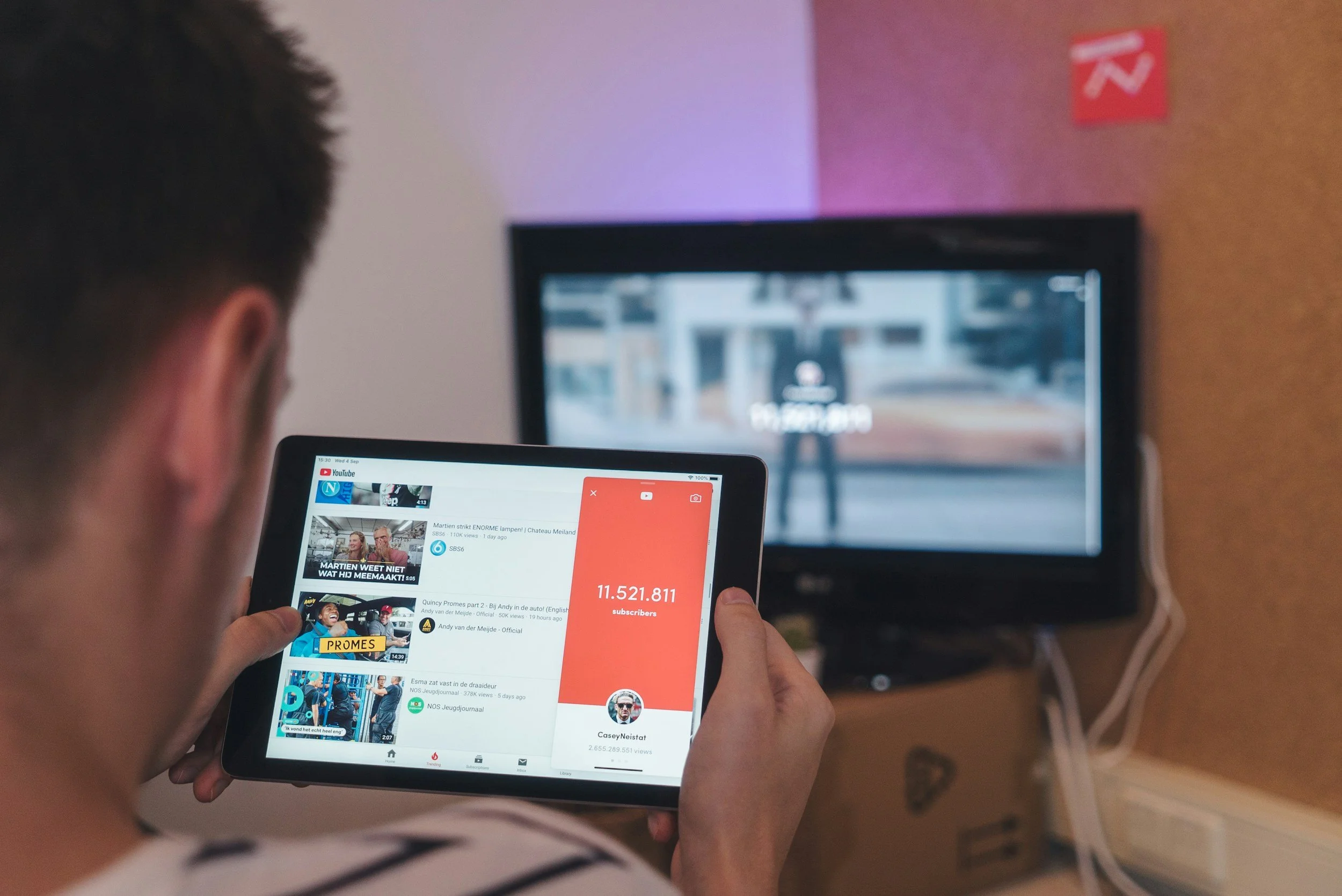
YouTube is the leading platform for podcast discovery, according to a recent 2025 study by Cumulus Media & Signal Hill
YouTube is the place to be found, and video is no longer an afterthought.
Professional podcast production now assumes that audio episodes will be repurposed into:
Long-form video (YouTube, Spotify Video)
Short-form clips (LinkedIn, Instagram, TikTok, YouTube Shorts)
Audiograms and promotional assets
Meeting your audience where they are is essential, and in the past year, audiences have moved onto YouTube. The main thing to remember is that both audio and video have to be intentional. Having a show takes both listening audiences and watching audiences into consideration will give your show the best chances for success.
Audio shows can still be successful, but you have to employ different techniques to promote these shows. Podcasts like BBC’s Uncanny and Noiser’s Real Dictators are fantastic examples of how audio-first podcasts can still thrive in 2026.
6. Distribution, Metadata, Accessibility, and Platform Optimisation
Sorry to break it to you, but just uploading an MP3 to your distributor doesn’t cut the mustard.
Professional podcast production in 2026 includes:
Optimised episode titles and descriptions
SEO-aware show notes
Accurate tagging, chapters, and metadata
Platform-specific best practices for Apple Podcasts, Spotify, YouTube, and beyond
Things like metadata and SEO determine whether a podcast is discoverable or invisible. End-to-end production ensures that every episode is positioned to perform and be found. Not only will this help with discoverability, but making your show more accessible for a variety of audiences is part of the overarching philosophy that all successful podcasts have:
Go the extra mile for your audience, and they’ll do the same for you.
7. Consistency Is a Production Responsibility
One of the biggest reasons podcasts fail is inconsistency.
Missed release dates, irregular formats, and long gaps erode audience trust. Professional production means building systems and workflows that make consistency inevitable rather than aspirational.
That includes:
Content planning and scheduling
Workflow management
Backup systems and contingency planning
Clear roles and responsibilities
Top tip: Podcasting is still an SEO game in many ways. Having more episodes, consistently released, will literally increase instances of certain keywords being used through show notes, titles and more. Reward the algorithm with consistency, reward your audience with quality.
8. Measurement, Feedback, and Iteration
In 2026, professional podcast production is data-aware.
While downloads alone are no longer the sole metric of success, professional production involves tracking performance indicators that matter to the client’s goals. Some of my clients want social media success, others want to increase the number of listens. Whatever your goals are, you have to have data that informs your decision. Ideally, podcasters should:
Review performance trends from third parties (Podtrac etc.) and distributors (Buzzsprout, RSS)
Identify what content resonates through engagement
Iterate formats and structures over time
Make informed decisions rather than guesswork
Professional podcasts evolve deliberately and sustainably. Sudden virality is not a strategy!
So, What Does “Professional” Really Mean?
In 2026, professional podcast production is not clipping and flipping. It’s an all round approach that ensures your podcast is nurtured and optimised for sustainable growth.
It means taking ownership of the podcast as a product, a brand asset, and a long-term channel. It means combining creative skill with technical expertise and strategic thinking. And it means understanding that a podcast does not succeed because it exists, but because it is intentionally built and consistently delivered.
My role as an end-to-end podcast producer means partnering with clients at every stage of the process, and giving them the tools to succeed in the future. In today’s landscape, with big-budget podcasts now the norm, you need to know how to stand out and stay consistent.